

Better care begins with better knowledge.
Transforming dementia care through scientific evidence, cultural grounding, and compassionate understanding.

Biopsychosocial Care
Respect for Personhood
Inclusive Collaboration
Dignity in Care
Grounded in Evidence
Empathy & Behavioural Understanding
Biopsychosocial Care Respect for Personhood Inclusive Collaboration Dignity in Care Grounded in Evidence Empathy & Behavioural Understanding
What is BRIDGE?
BRIDGE equips care staff with practical skills by combining neuroscientific and adult-learning principles delivered through positive social interactions, simulation-based activities, and reflective and reflexive exercises, encouraging participants to examine both their care practices and their own role within care interactions.
BRIDGE is an evidence-based dementia care training programme designed to close the knowledge gap among healthcare staff in United Arab Emirates. Rooted in Tom Kitwood’s principles of person-centred care , it applies a biopsychosocial approach to understanding dementia and addressing associated behavioural changes. The programme integrates cultural and traditional values, ensuring contextually relevant dementia care. It also addresses ethical dilemmas in dementia care and provides guidance on honouring dignity and personhood in end-of-life care.
Participants are invited to bring anonymised cases from their own practice, which are explored collaboratively during the training. These real-world cases are used to apply evidence-informed principles, examine possible responses, and develop person-centred approaches tailored to the care context.

Who is BRIDGE For?
Clinical Staff
Nurses (registered nurses, assistant nurses, homecare agency staff)
Physicians (geriatricians, general, & family medicine doctors)
Allied health professionals: (Physiotherapists, Occupational therapists)
Care-Support Staff
Care aides/care assistants/long-term care staff
Social workers in community health centres
Healthcare support workers in rehabilitation and residential care
Facility & Service Personnel
Supervisors and unit managers in long-term care facilities
Quality and patient experience officers
Staff in memory clinics and geriatric units
Community health workers supporting older adults
Programme Details
Delivered over three days (Fridays - Sundays), the programme brings together six interconnected units that move from foundational understanding to applied practice across the dementia care trajectory.
-
Session One: Personhood & Person-Centred Care
Discover how personhood shapes every aspect of the dementia experience. This session introduces the core principles of person-centred care and highlights how recognising an individual’s identity, background, and personal needs and preferences transforms everyday interactions in dementia care. Participants learn practical approaches to upholding and preserving personhood and dignity, fostering connection, and building trust in care relationships.
-
Session One: Dementia and the Human Brain
Dementia affects the brain in distinct ways that shape how individuals think, feel, and function. This session provides a clear, accessible overview of the major types of dementia and the neurobiological changes that underlie them. Participants learn how these changes affect daily functioning and behaviour, and how understanding the science behind the condition can inform more attuned, person-centred caregiving.
Session Two: Behavioural Changes in Dementia
Behavioural changes are a common and often misunderstood aspect of dementia. In this session, participants learn examples of such changes, why they might occur and what they may be communicating, and how unmet needs and environmental factors contribute to them. The focus is on developing a clear understanding of the patterns and presentations of behavioural changes across the progression of dementia.
Session Three: Addressing Behavioural Changes in Dementia
Responding to behavioural changes requires clarity and understanding of the person behind the behaviour. Building on the previous unit, this session introduces practical strategies for responding to behavioural changes in a structured, person-centred way. Participants learn to apply the STEPS to Care© guide, a tool uniquely designed for this programme to assess situations, identify underlying needs, and implement tailored interventions.
-
Session 1: Family, Culture, and Traditions in Dementia Care
Culture, tradition, and family roles profoundly shape how dementia is understood and care is experienced. This session introduces the BARAKAH+S Profile©, a sociocultural identity assessment tool uniquely developed for this programme to help caregivers recognise these influences and integrate them into daily care practices. Participants learn how to strengthen connection, uphold personhood, and support shared decision-making by working in partnership with families and respecting cultural and traditional expectations.
Session Two: Ethics & End-of-Life Dementia Care
End-of-life dementia care raises complex ethical questions and requires compassionate, person-centred support. This session examines the ethical challenges that arise in advanced dementia care, including consent, autonomy, risks, and shared decision-making. The session also explores the principles of dignified, person-centred end-of-life care, guiding participants in supporting the individual’s personal needs, comfort, communication, and family involvement and working collaboratively to provide person-centred care during the final stages of dementia.
Aligned with UAE's National Framework for Healthy Ageing (2025 - 2031)
Supporting healthy and dignified ageing
Advancing workforce development for ageing care
Contributing to the United Nation's Sustainable Development Goals
UN SDG 3: Good Health and Well-being
UN SDG 4: Quality Education
UN SDG 17: Partnerships for the Goals
Aligned with UAE's National Framework for Healthy Ageing (2025 - 2031) Supporting healthy and dignified ageing Advancing workforce development for ageing care Contributing to the United Nation's Sustainable Development Goals UN SDG 3: Good Health and Well-being UN SDG 4: Quality Education UN SDG 17: Partnerships for the Goals
-

Awards & Accreditations
Local and International Recognitions
-
Partnerships
Collaborations Driving Social Impact
-
Events Gallery
Trainings & Community Outreach
-

Research Outputs
Scientific Evidence Informing Programme Design

Person Centred
Evidence Informed
Culturally Grounded
Practice Focused
Dementia Specific
Person Centred Evidence Informed Culturally Grounded Practice Focused Dementia Specific
Programme Fees
-
AED 950
-
AED 855 (10% discount applied if paid up to three weeks before the event)
-
AED 807.5 (15% discount available for eligible registrations)
Upcoming Training Events
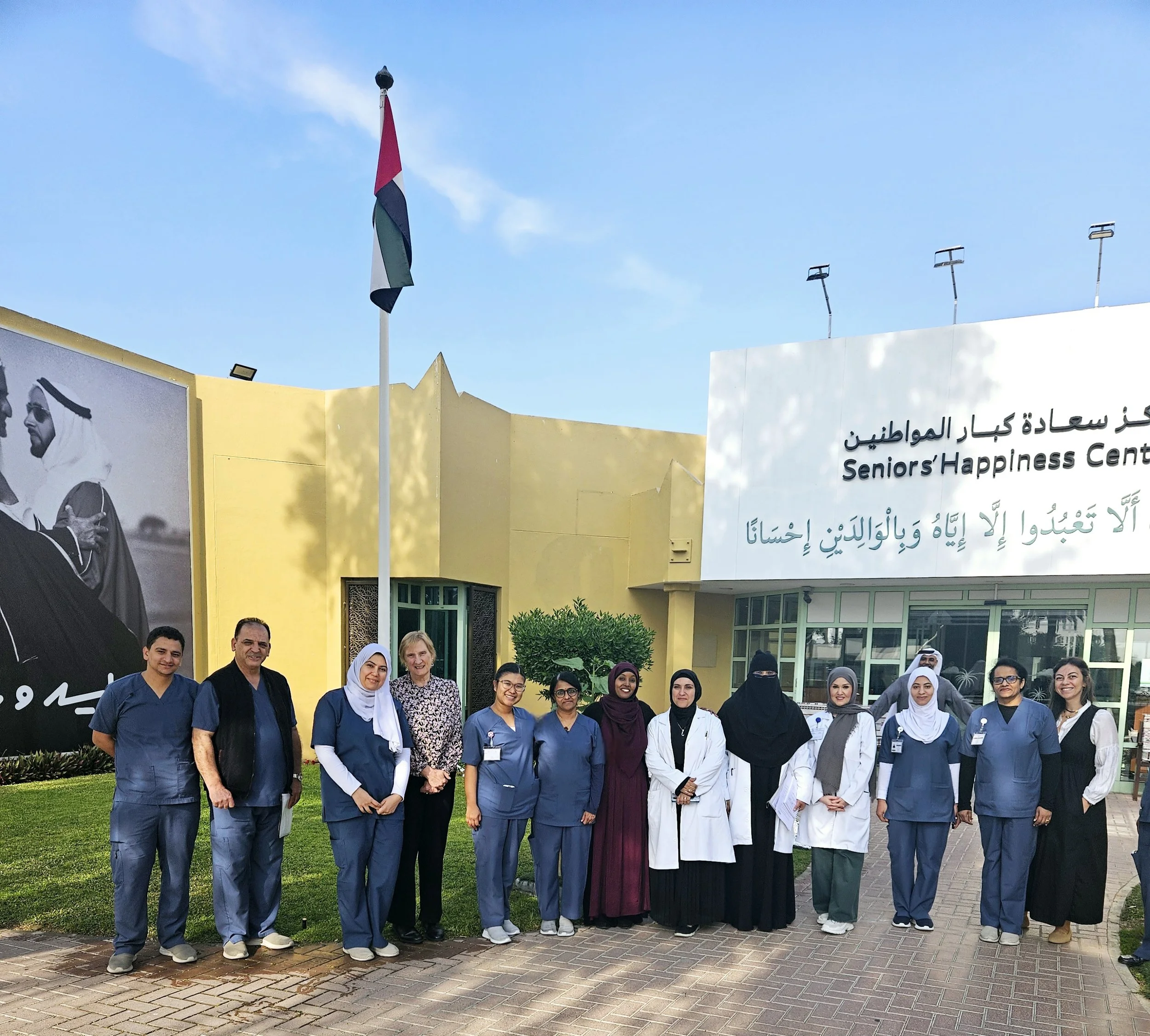
Join Our Next Training Cohort
12 - 14 June 2026
27 - 29 November 2026
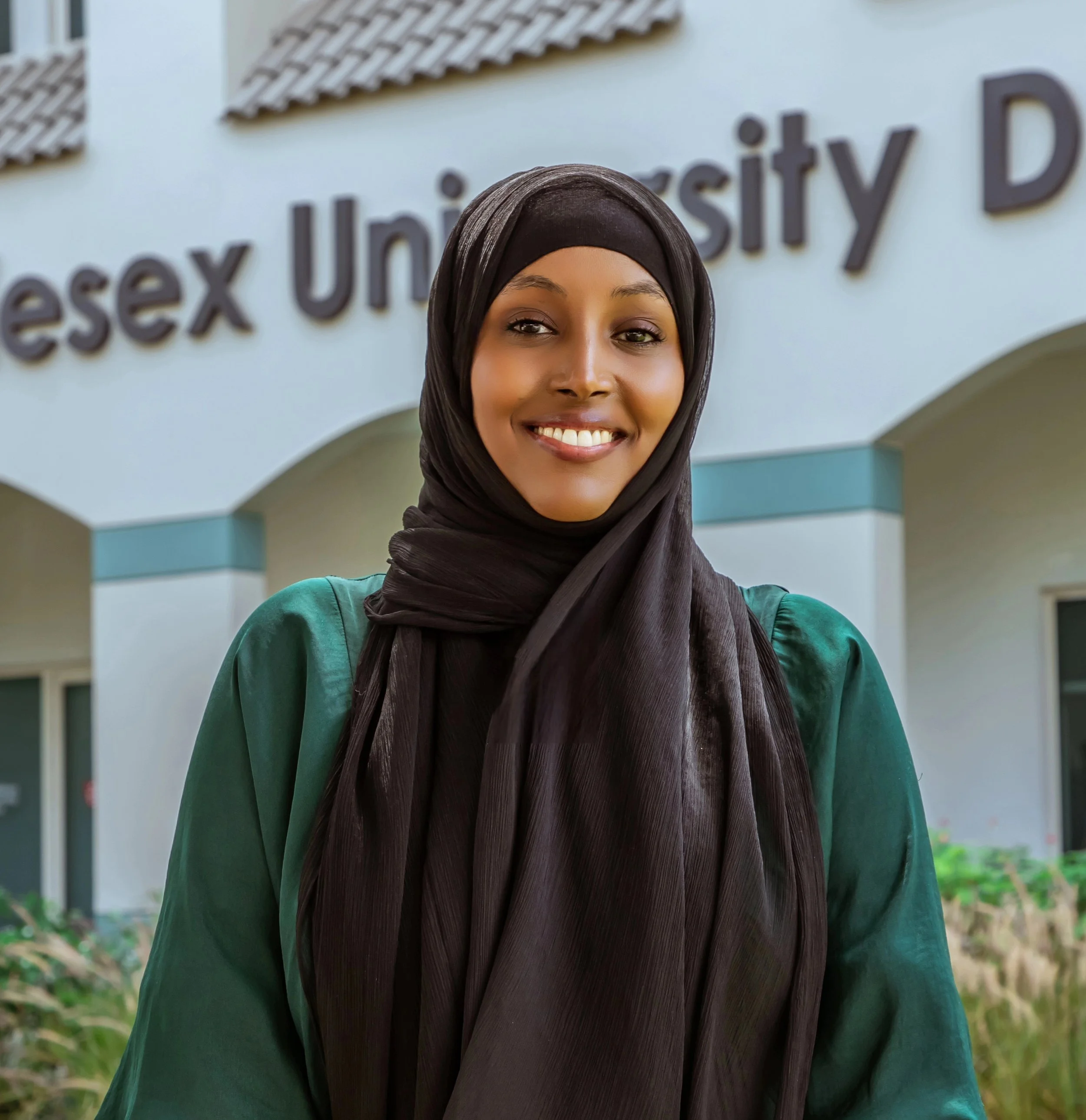
Seada A. Kassie, Ph.D., FHEA
Programme Developer & Lead Trainer
Dr. Seada works as a senior lecturer in psychology at Middlesex University Dubai and is a trained clinical researcher with postgraduate credentials from Harvard Medical School. Her multi-phased doctoral research identified critical gaps in dementia care practice and workforce capacity. BRIDGE was created from this work as an evidence-based, culturally grounded dementia care training programme designed to strengthen professional skills and competencies, elevate care quality, and improve the lived experiences of individuals living with dementia. Dr. Seada is an active member of the Association of Clinical Research Professionals Community and continues to lead research and training initiatives that advance dementia care in the UAE and across the Gulf region.
Contact Us
bridge@dementiacareae.com